Injuries can disrupt your life, causing pain and limiting your ability to perform daily activities. Musculoskeletal injuries affect millions of people each year. Manual therapy for injury rehabilitation offers a promising solution for those seeking relief from injury-related symptoms.
Ready to get started with manual therapy for injuries? Call our team at Atlanta Human Performance Center in Atlanta and East Point, GA today to learn more!
Unveiling Injuries: Understanding Symptoms and Causes
Injuries can manifest in various ways, each accompanied by distinct symptoms that signal the need for intervention.
Symptoms of an Injury
Pain
- Pain is often the most prominent symptom of an injury, ranging from mild discomfort to severe agony. It can be localized or radiate to other areas of the body.
Swelling
- Swelling occurs as a result of inflammation in response to tissue damage. It can cause stiffness, tenderness, and limited range of motion.
Stiffness
- Stiffness refers to reduced flexibility and mobility in the affected area. It may accompany swelling and pain, making moving challenging.
Bruising
- Bruising, or skin discoloration, occurs due to broken blood vessels beneath the skin’s surface. It is often visible shortly after sustaining an injury.
Weakness
- Weakness in the injured area can result from muscle or ligament damage, leading to difficulty performing everyday tasks or activities.
Common Causes of Injuries
Trauma
- Traumatic injuries occur suddenly and are typically the result of accidents, falls, collisions, or direct blows to the body. Examples include fractures, sprains, strains, and dislocations.
Overuse
- Overuse injuries develop gradually over time due to repetitive stress or strain on a particular body part. Activities such as running, lifting, or typing for extended periods can lead to overuse injuries like tendonitis, bursitis, and stress fractures.
Poor Biomechanics
- Faulty movement patterns or biomechanics can increase the risk of injury by placing excessive strain on joints, muscles, and soft tissues. Poor biomechanics may result from muscle imbalances, poor posture, or improper technique during physical activities.
Degenerative Conditions
- Degenerative conditions, such as osteoarthritis or degenerative disc disease, involve the gradual breakdown of joint cartilage or spinal discs, leading to pain, stiffness, and reduced mobility.
Pre-existing Conditions
- Certain pre-existing medical conditions or anatomical abnormalities can predispose individuals to injuries. For example, structural abnormalities in the joints or spine may increase susceptibility to injuries during physical activity.
Hands-On Healing for Injury Rehabilitation: Exploring Manual Therapy Treatment Methods
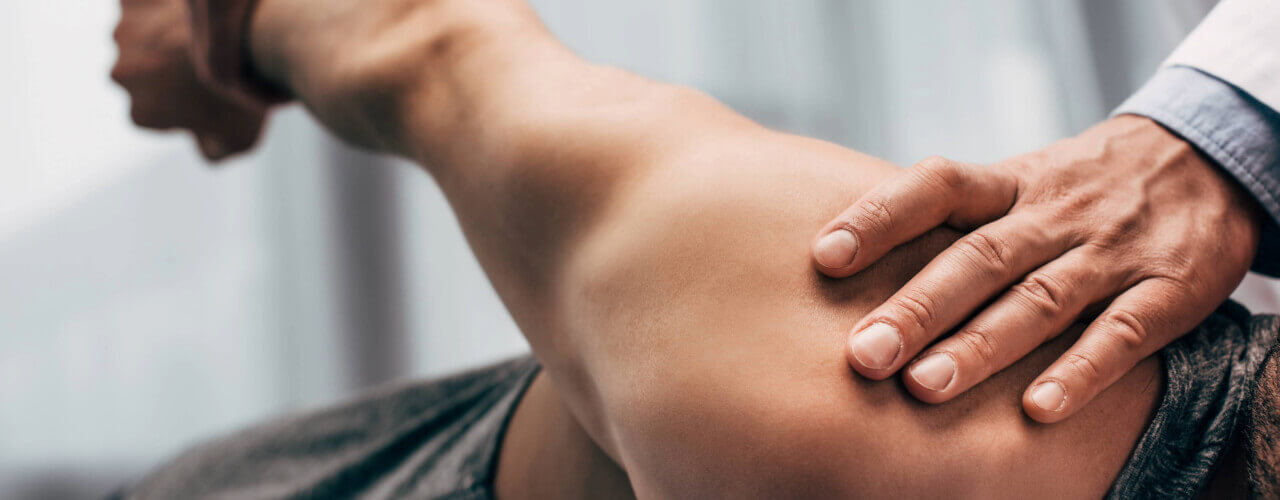
Manual therapy encompasses various hands-on techniques designed to address musculoskeletal issues, promote healing, and restore function. These techniques, administered by skilled physical therapists or other healthcare professionals, play a crucial role in injury rehabilitation.
Manual Therapy Treatment Methods
Soft Tissue Manipulation
- Soft tissue manipulation involves applying gentle pressure to muscles, tendons, ligaments, and fascia to alleviate tension, improve flexibility, and enhance circulation. Techniques such as massage, myofascial release, and trigger point therapy target specific areas of soft tissue dysfunction.
Joint Mobilization
- Joint mobilization techniques focus on restoring normal joint movement and function by applying controlled, passive movements to the affected joint. This technique helps reduce stiffness, alleviate pain, and improve the range of motion. Therapists may use graded oscillatory movements, traction, or sustained pressure to mobilize joints safely and effectively.
Manual Stretching
- Manual stretching involves the therapist manually elongating specific muscles or muscle groups to improve flexibility, reduce muscle tightness, and restore optimal muscle length. Stretching can help address imbalances, correct postural issues, and enhance overall functional mobility. Therapists may employ techniques such as static stretching, dynamic stretching, or proprioceptive neuromuscular facilitation (PNF) stretching.
Manual Traction
- Manual traction involves the application of controlled traction or pulling forces to the spine or extremities to decompress spinal structures, relieve nerve compression, and reduce pain. Traction techniques can help alleviate symptoms associated with spinal disc herniation, nerve root compression, or joint compression syndromes.
These manual therapy treatment methods are often integrated into comprehensive rehabilitation programs to address the specific needs and goals of individuals recovering from injuries. By combining these techniques with therapeutic exercise, patient education, and functional training, manual therapy is beneficial in optimizing recovery, restoring mobility, and enhancing overall quality of life.
Taking the Next Step Toward Recovery
Injuries can be challenging to overcome, but with the right approach, you can regain strength, mobility, and function. Manual therapy offers a proven method for addressing the root causes of injuries and facilitating the healing process. By seeking manual therapy for injury rehabilitation, you’re taking a proactive step toward reclaiming your health and well-being.
Call our team at Atlanta Human Performance Center in Atlanta and East Point, GA today to learn more about manual therapy in injury rehabilitation and discover how we can help you get back to doing what you love.
Tags: Manual therapy, Injury