



A Comprehensive Look at How Posture Affects the Shoulder
Well, this is definitely true when it comes to the functioning of our shoulder joints. Poor postural habits and prolonged slumped postures put the shoulder in a vulnerable position, making it susceptible to pain or injury. The good news is our Doctors of Physical Therapy at Atlanta Human Performance Center have extensive training in identifying all the factors that are contributing to your shoulder pain and, most importantly, how to resolve them, one by one!
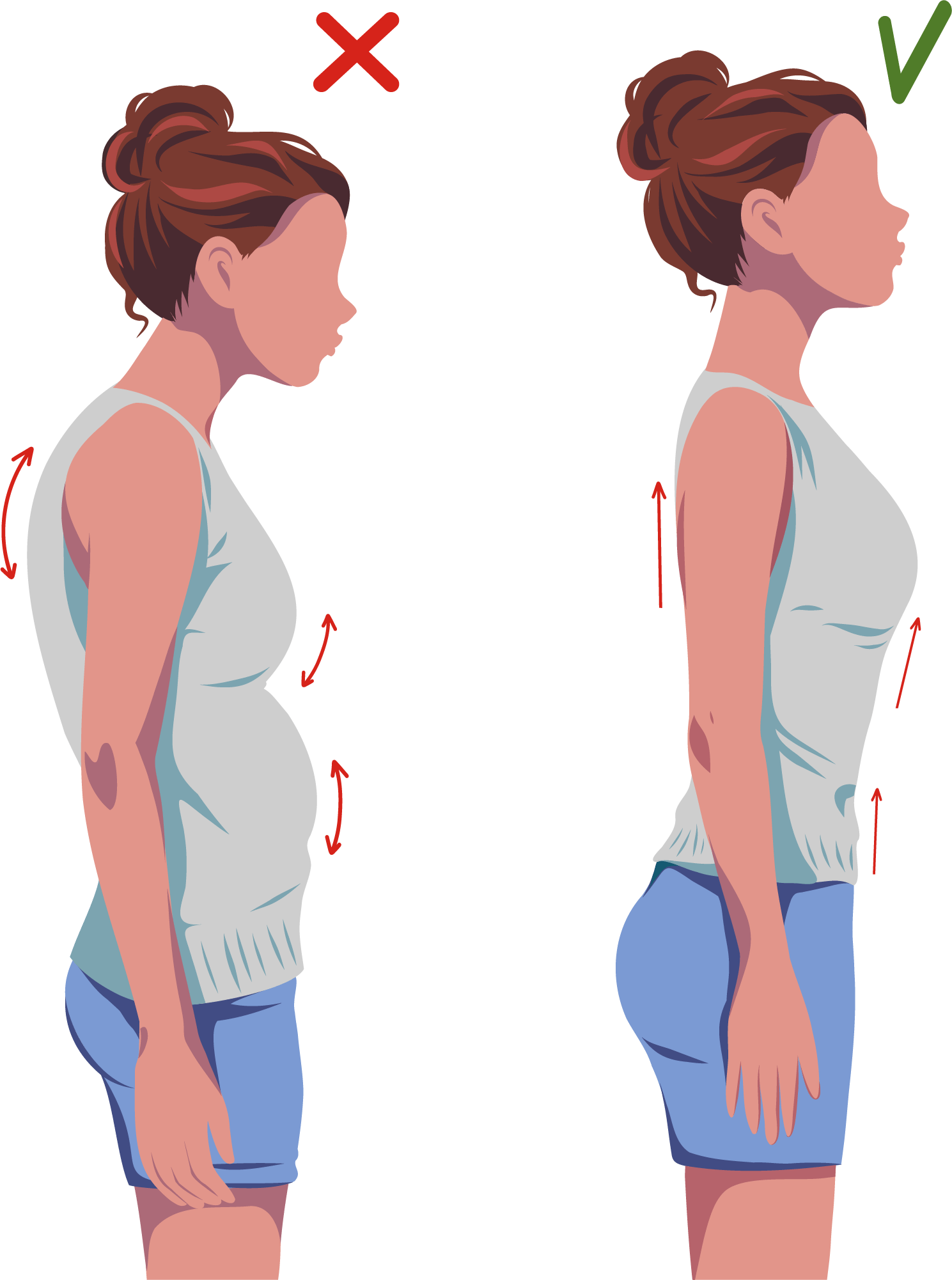
How Posture Impacts the Shoulder
One significant factor contributing to shoulder pain is Upper Crossed Syndrome (UCS). This condition is characterized by postural changes that affect how the muscles of our upper back and shoulder girdle work, which in turn affects the normal movement patterns in the entire upper portion of the body.
The classic signs of Upper Crossed Syndrome include:
- Forward head posture: The head is positioned forward in relation to the shoulders.
- Rounded shoulders: The shoulders are rounded forward, causing the upper back to appear hunched.
- Increased thoracic kyphosis: The upper back has an increased curvature, leading to a rounded appearance.
- Protracted shoulder blades: The shoulder blades are positioned more forward and away from the spine.
- Weak deep neck flexors: The muscles at the front of the neck that help stabilize the head are weak.
- Tight pectoral muscles: The muscles in the chest area are tight and may contribute to the rounded shoulder posture.
- Weak scapular stabilizers: The muscles that stabilize the shoulder blades are weak, leading to altered movement patterns.
These issues often lead to shoulder pain, limited range of motion, and impaired muscle function. Although the signs are common in a lot of people, not everyone with these signs will have the same symptoms. This is why it is essential to consult one of our Doctors of Physical Therapy to identify your specific needs and design a tailored treatment plan that addresses your situation.
The Role of Physical Therapy in Resolving Your Pain
The first step to resolving your shoulder pain is a comprehensive evaluation. Our Doctors of Physical Therapy will conduct a thorough history and physical exam that includes an assessment of your posture as well as the function of your shoulder blade musculature to identify any obvious changes to muscle activation and movement patterns.
Based on the assessment, our Doctors of Physical Therapy will design tailored exercise regimens that address not only muscle length and strength but also neuromuscular factors. This could lead to more lasting relief and functional improvement.
Our team uses a functional approach that is rooted in neurology. We consider the interaction between your nervous systems, biomechanics of your spine and shoulder joints, as well as muscle function. This allows us to not only identify and address any imbalances in muscle length and strength but also from neuromuscular factors like muscle recruitment.
These exercises may include work on your spinal joint mobility and strengthening exercises to correct any postural dysfunctions contributing to your conditions. Our team spends a lot of time educating you about how you are holding and moving your body to ensure you have the tools to train your body in the proper movement patterns that help to correct imbalances and offer lasting relief.
Take the First Step Towards Lasting Relief Today
If you’re experiencing persistent shoulder pain, limited range of motion, or discomfort in your upper body, the time to act is now. These signs are not just distressing; they can have a long-term impact on your quality of life and overall well-being. Reach out to Atlanta Human Performance Center today for a comprehensive assessment and personalized treatment plan designed to restore balance to your muscles, improve your posture, and, most importantly, alleviate your pain!
Your Progress Matters To Us!
Return to Atlanta Human Performance Center and Let’s Continue Your Journey to Wellness Together. Schedule Your Appointment Now!

Seasonal Recipe
Chocolate Hazelnut Biscotti Cookies
Ingredients
- 1 1/3 cups all-purpose flour
- 1/2 teaspoon baking powder
- 1/2 teaspoon baking soda
- 1/4 teaspoon kosher salt
- 1/2 cup butter, softened
- 1/2 cup chocolate hazelnut spread
(recommended: Nutella) - 1/2 cup sugar
- 1/2 cup brown sugar
- 1 egg
- 1 teaspoon vanilla extract
- 3/4 cup chopped toasted hazelnuts
Preheat the oven to 375 degrees F. In a medium bowl combine the flour, baking powder, baking soda, and salt. Set aside. In another medium bowl combine the butter, chocolate hazelnut spread, sugar, and brown sugar. Using an electric mixer, cream the ingredients together, about 4 minutes. Add the egg and vanilla and beat until smooth, about 1 minute. Using a wooden spoon or rubber spatula, stir in the flour mixture until just combined. Add the hazelnuts and stir until just combined. Using a tablespoon measure, spoon out the cookie dough onto a cookie sheet, spacing the mounds about 4 inches apart. Use the tines of a fork to flatten the cookie dough. Bake until lightly golden around the edges, about 10 to 12 minutes. Use a metal spatula to transfer the cookies to a wire rack and let cool.
Exercise of the Month
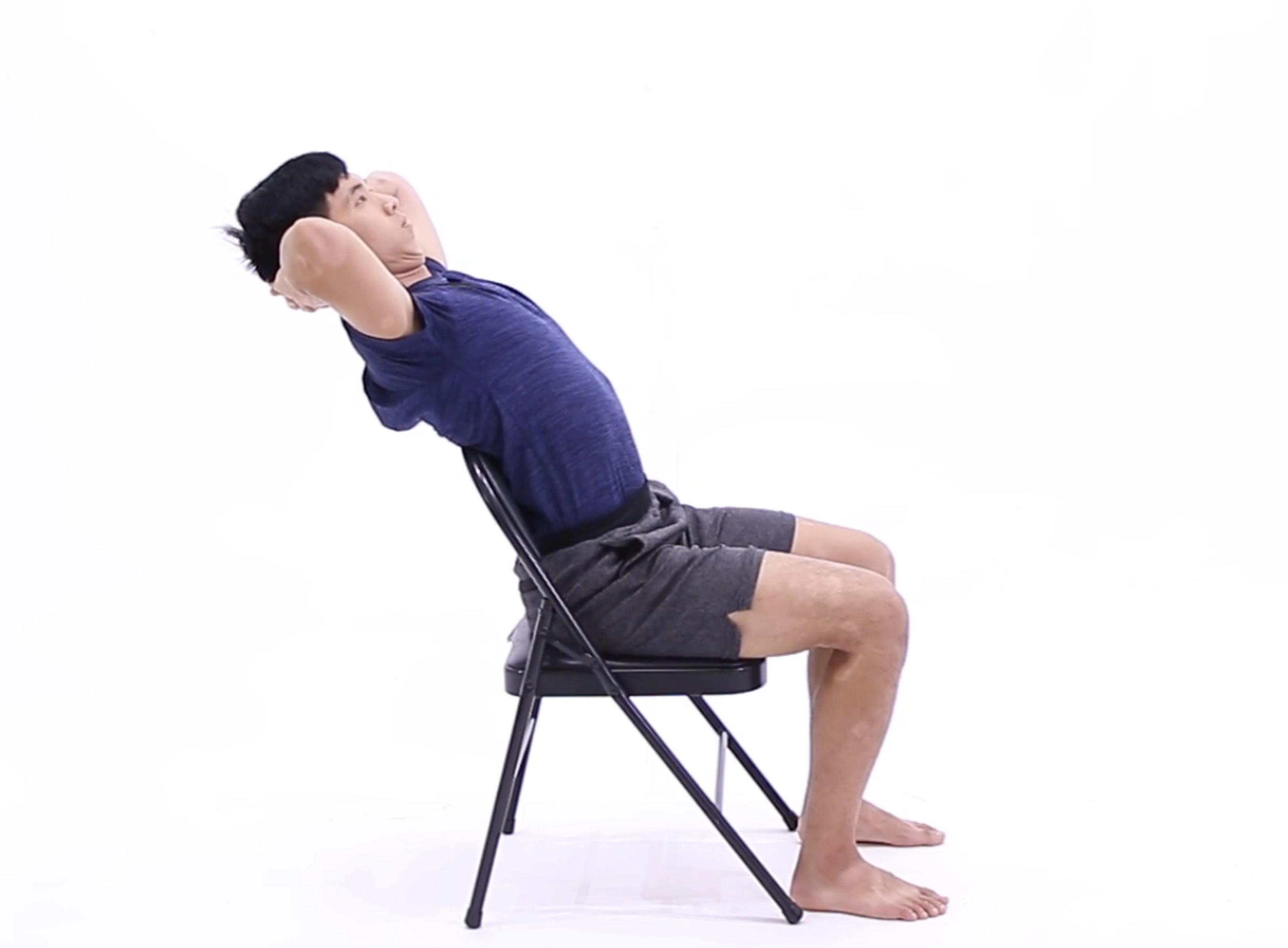
Seated Thoracic Extension With Chin Tuck
3 Sets | 5 Reps | 5 Seconds Hold
Sit up straight in a chair with your back against the back rest. Place your hands behind your head and tuck your chin. Slowly extend your back over the back of the chair with the top edge of the chair just under your shoulder blades. Hold then relax.


Our Patients Get Great Results
“The staff members are truly professionals with old school customer service. Out of all the facilities that I’ve encountered they stand head and shoulders above the rest.”
– Andre G.

Go to the Pain, Not Through the Pain
The days of “no pain, no gain” are hopefully in the past. The idea of emphasizing pushing through discomfort to achieve results is not an effective solution for most people dealing with a painful condition, injury, or chronic condition. In fact, recent research suggests that a more holistic approach is effective and, indeed, safer for patients.
Pain is our body’s way of letting us know that something is happening in the body. When a nerve ending is triggered, an impulse travels to the brain, alerting us that something is happening. It is a warning sign or an alarm. How this impulse is interpreted varies from person to person and is influenced by a multitude of factors.
Aggressively pushing through pain can worsen the underlying issues and potentially result in long-term damage. The key is getting help from people who work with painful conditions every day, like our Doctors of Physical Therapy at Atlanta Human Performance Center!
How Physical Therapy Can Help You Find Relief
In cases of musculoskeletal disorders and injuries, applying excessive stress on already agitated tissues can prolong the healing process and even cause further injury. In comparison, going to the pain but not through it means cautiously approaching the edge of discomfort without crossing it, which can help your body progress without delaying your recovery.
Our objective is to work within a “therapeutic window”: a range of activities that stimulates the body’s natural healing mechanisms without triggering negative responses.
At Atlanta Human Performance Center, we educate our patients about pain to help them understand their conditions better and actively participate in treatment. Our Doctors of Physical Therapy can help you learn “pacing,” where activities are broken down into manageable parts, helping you to avoid extreme ups and downs of feeling good one day and an increase in pain and inactivity the next.
By respecting the body’s pain signals and working within a therapeutic window, our approach aims to achieve long-term functional gains without the risks associated with pushing through pain.
Follow Us on Social Media!
5 Healthy
Eating Resolutions

What’s your New Year’s resolution this January? Many individuals choose the New Year as a perfect time to start getting healthier and improving their diet. If this is your resolution, stick around to discover 5 ways you can eat healthier.
1. Drink more water
Drinking water is one of the most essential actions you can take to improve your short and long-term health. Dehydration can affect concentration, alertness, short-term memory, and can cause fatigue. Drinking enough water each day also helps support your kidney health and your physical performance. The benefits go on and on!
2. Eat more Omega-3s
Increasing your intake of omega-3 fatty acid-rich foods may help you maintain a healthy blood pressure. According to research, omega-3 fatty acids can help improve your mood, which is something we all need during the short, dark days of winter.
Aim for two servings of fish per week, preferably fatty fish like salmon, sardines, and some types of tuna high in omega-3s. Not a fan of fish? Choose walnuts and flax as good non-fish sources of omega-3s.
3. Substitute meat with tofu
Did you know that restricting your meat intake is good for the environment and your heart? When you substitute soy for meat, you will naturally consume less saturated fat. While tofu lacks authentic flavor, this is what makes it so versatile—it absorbs the flavors of a stir-fry sauce or marinade like a sponge, making it taste fantastic!
4. Cut back on salt
Excessive salt consumption can raise blood pressure, a significant risk factor for heart disease and stroke. Watch how much salt you add to your food and avoid high salt snacks– like potato chips.
5. Limit your sugar intake
Too much sugar is not only bad for our teeth, but it also increases the risk of unhealthy weight gain and obesity, which can lead to severe and long-term health issues. Instead of selecting sugary drinks, opt for cool refreshing water. You can also replace sweets and candy with healthy snacks, like carrots and hummus.