



Managing Knee Arthritis with Physical Therapy: Your Path to Pain-Free Living This Spring
Living with knee arthritis can be a daily struggle, impacting your quality of life and mobility. But there’s hope. At Atlanta Human Performance Center, we specialize in helping individuals like you manage knee arthritis effectively through physical therapy.
Our therapists are experts in the identification and treatment of knee arthritis, with a focus on the pivotal role that exercise and targeted therapy techniques play in alleviating pain and improving your overall well-being. Our goal is to empower you with the knowledge and support needed to regain your active lifestyle.

Understanding Knee Arthritis
Knee arthritis is a widespread condition that occurs when the protective cartilage in the knee joint wears away over time. This results in pain, stiffness, and reduced mobility. Let’s explore how you can identify and manage knee arthritis through physical therapy:
Step 1: Recognizing the Signs and Symptoms
The first step in managing knee arthritis is recognizing the telltale signs and symptoms:
- Persistent knee pain that is often worse after periods of inactivity.
- Swelling and tenderness in the knee joint.
- Difficulty in bending or straightening the knee.
- A grating sensation during knee movement.
- Reduced range of motion in the knee joint.
If you’re experiencing any of these symptoms, seeking guidance from our skilled Doctors of Physical Therapy is crucial!
Step 2: Consultation with an Atlanta Human Performance Center Doctor of Physical Therapy
When knee pain becomes a persistent issue, it’s time to consult one of our Doctors of Physical Therapy, who is experienced in arthritis management. Our team of skilled therapists will conduct a thorough evaluation to assess the extent of your knee arthritis. This assessment includes a comprehensive physical examination and may involve reviewing imaging tests like X-rays or MRI scans.
Step 3: Personalized Physical Therapy Plans
Following your evaluation, our Doctors of Physical Therapy will create a tailored treatment plan that suits your unique needs. Physical therapy plays a pivotal role in managing knee arthritis, offering a range of benefits:
Pain Management:
Techniques like manual therapy and modalities to help alleviate pain and reduce inflammation.
Mobility:
Stretching routines enhance joint mobility, reduce stiffness, and improve overall function.
Strengthening:
Targeted exercises are designed to strengthen the muscles around your knee, providing better support and stability.
Balance and Coordination:
Balance exercises are incorporated to enhance stability and coordination, reducing the risk of falls.
Education:
Our Doctors of Physical Therapy provide valuable education on arthritis management, teaching you how to protect your joints during daily activities.
Lifestyle Modifications:
We work with you to make lifestyle adjustments, including activity modification and weight management, to reduce the strain on your knee joint.
Step 4: A Holistic Approach to Knee Arthritis
At Atlanta Human Performance Center, we adopt a holistic approach to managing knee arthritis. Beyond addressing physical symptoms, we recognize the emotional and psychological impact of chronic pain. Our comprehensive support and education empower you to regain control of your life.
Step 5: Your Path to Pain-Free Living
Your journey to a pain-free life begins here. Our Doctors of Physical Therapy are committed to helping you manage knee arthritis through physical therapy. Our compassionate team will guide you through each step of the process, focusing on reducing pain and improving your mobility.
The Benefits of Physical Therapy for Knee Arthritis
Physical therapy offers numerous advantages for individuals dealing with knee arthritis:
- Non-Invasive: Unlike medications or injections, physical therapy is a non-invasive approach to pain management, emphasizing natural healing and improved function.
- Customized Care: Your physical therapy plan is tailored to your specific needs, addressing your unique challenges and goals.
- Prevention: Physical therapy focuses on injury prevention, reducing the risk of further damage to your knee joint.
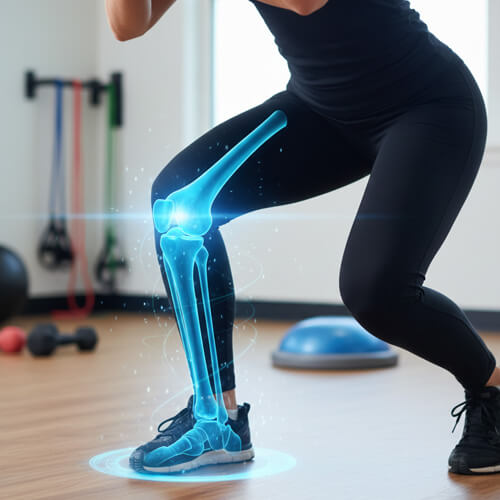
Don’t Let Knee Pain Hold You Back
Knee arthritis doesn’t have to dictate your life. At Atlanta Human Performance Center, our dedicated team is here to help you understand, manage, and overcome the challenges posed by knee arthritis through physical therapy. By recognizing the signs, seeking professional evaluation, and embracing a personalized physical therapy plan, you can find relief, regain mobility, and enjoy a more active lifestyle.
Don’t let knee pain hold you back any longer. Contact us today and take the first step towards a pain-free future. Your journey to pain-free living starts with us, and we’re here to support you every step of the way!

Your Progress Matters To Us!
Return to Atlanta Human Performance Center and Let’s Continue Your Journey to Wellness Together. Schedule Your Appointment Now!