

Real Solutions for Back Pain Caused by Herniated Discs
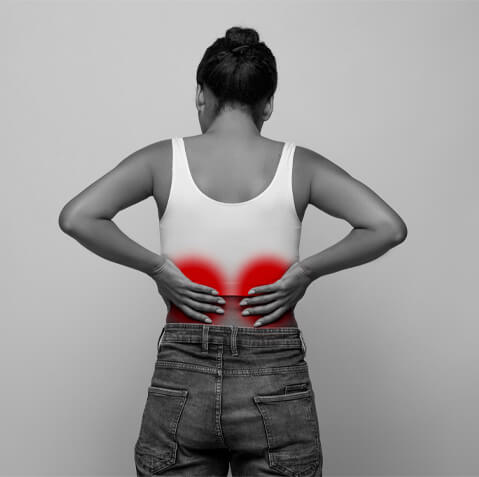
Are you struggling with intense lower back pain? Do you notice straightening up all the way is painful or impossible? Did this pain start after lifting something heavy or twisting your back? If you nodded ‘yes’ to these questions, you might have a condition known as a herniated disc. Don’t worry; there are proven strategies that can help you feel good again!
Herniated discs are not always painful, but they can be excruciating when they are. Due to the severity of pain associated with a herniated disc, people will try to avoid hurting themselves more and avoid activity. Unfortunately, misguided healthcare practitioners still recommend rest or, worse, bed rest, which is why getting proper treatment is essential!
At Atlanta Human Performance Group, our team of specialized Doctors of Physical Therapy is fully equipped to guide you toward the relief you’ve been seeking, allowing you to get back to the activities you genuinely love without pain!
Understanding the Nitty-Gritty of a Herniated Disc
To understand what a herniated disc is, it’s important first to understand the role of spinal discs. Your discs are like shock absorbers in your spine, absorbing compressive forces and permitting smooth, free movements like bending forward, backward, and rotating.
However, as we age, our discs naturally degenerate, begin to dry out, become more stiff, and weaken, becoming more susceptible to herniation. Think of your discs as being like grapes when you’re young and then drying up to be more like raisins as you age.
In addition to age, several variables can elevate your risk of experiencing a herniated disc, including:
- Smoking: Cigarettes are thought to reduce the supply of oxygen to the disc, causing it to break down more quickly than it normally would.
- Occupation: Those engaged in jobs requiring repetitive motions like lifting, bending, and twisting are also more susceptible.
- Sedentary Lifestyle: Long durations of sitting, especially in incorrect postures, contribute to increased risk.
- Genetics: Family history may play a role in increasing the risk of developing a herniated disc.
A herniated disc occurs when the soft, gel-like substance in the middle of the disc breaks through the inner aspect of the disc and protrudes out, usually in the back wall of the disc. This bulging out can pinch the nearby spinal nerves, leading to inflammation and excruciating pain that might even radiate down your leg or arm.
Even when the disc doesn’t affect the nerves, it is infamous for causing sharp and intense pain in the lower back, affecting your ability to move, especially standing upright, and interfering with your overall quality of life. For some, the pain is so unbearable that it hampers even the simplest daily tasks, like sitting, moving, or lying down to sleep.
The silver lining? Our skilled Doctors of Physical Therapy can teach you how to manage your debilitating pain and provide the tools to return to a pain-free life!
Effective Solutions for Herniated Disc
At your first visit, one of our experienced Doctors of Physical Therapy will perform a comprehensive assessment, including a medical history and physical examination. Afterward, your Doctor of Physical Therapy will design a personalized treatment plan specifically for your unique situation that may include the following:
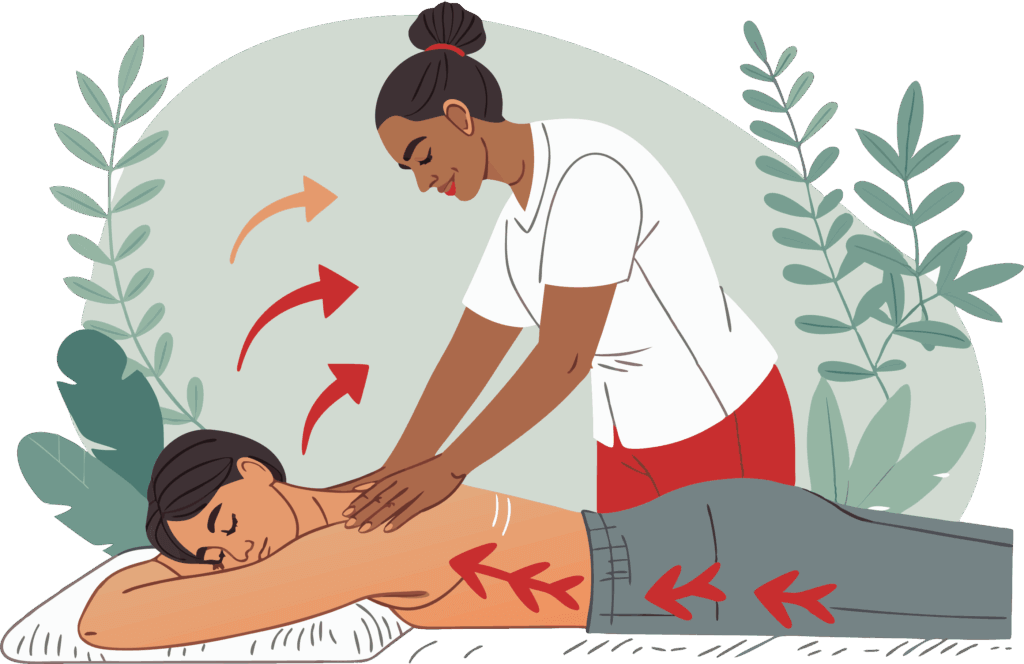
- Manual Therapy: Our Doctors of Physical Therapy use passive movement techniques, called mobilizations, to improve the range of motion in the spine, reducing stiffness and pain.
- Stretching and Mobility Exercises: Targeted stretches to improve spine mobility and muscle flexibility are often the starting point. As you move better, you’ll feel better!
- Core Strengthening: Exercises like planks and bridges can help stabilize the spine and help in improving proper techniques when performing movements like squatting or lifting activities.
- Neural Mobilization: Our therapists may use neural mobilization or “nerve gliding” exercises to relieve nerve tension, which can reduce the radiating pain commonly associated with herniated discs.
Understanding the condition and its management is crucial. Our experts often educate the patient about body mechanics, lifestyle changes, and long-term exercise strategies to prevent future episodes. We know that your first step to recovery starts with understanding.
Why Wait?
Call Atlanta Human Performance Group today for a comprehensive evaluation and learn the steps you can actively take to recover from a herniated disc and guard against future occurrences. Book your life-changing appointment today!
Your Progress Matters To Us!
Return to Atlanta Human Performance Center and Let’s Continue Your Journey to Wellness Together. Schedule Your Appointment Now!

Pink Sunrise Strawberry Smoothie
Ingredients:
- 1 cup frozen strawberries
- 1/4 cup frozen raspberries
- 1/4 cup blueberries
- ½ – 1 small beet frozen
- 1 ripe banana
- 1/2 cup kefir
- 1/2 cup milk – regular, nut, coconut, hemp, etc.
- 2 tbsp honey (optional)
- 1 tbsp hemp seeds
- 1/2 cup ice

Directions:
Place all ingredients into a high-speed blender. Run on the smoothie setting or on high for 1-2 minutes or until completely smooth. Serve and enjoy!
June Word Scramble
cresunnse
teaaldcsns
miwsmngi
avoatnic
gdenidw
refiifsle
Answer Key
sunscreen
sandcastle
swimming
vacation
wedding
fireflies
Exercise of the Month
Bridging
Lie on your back with knees bent and feet flat on the floor. Tighten your core and lift your hips toward the ceiling, squeezing your glutes at the top. Lower slowly and repeat to strengthen your hips and lower back.
Our Patients Get Great Results
“The very best physical therapy that I’ve ever experienced. The staff is very caring, and Dr. Evans is the best!!!”
– C.T.
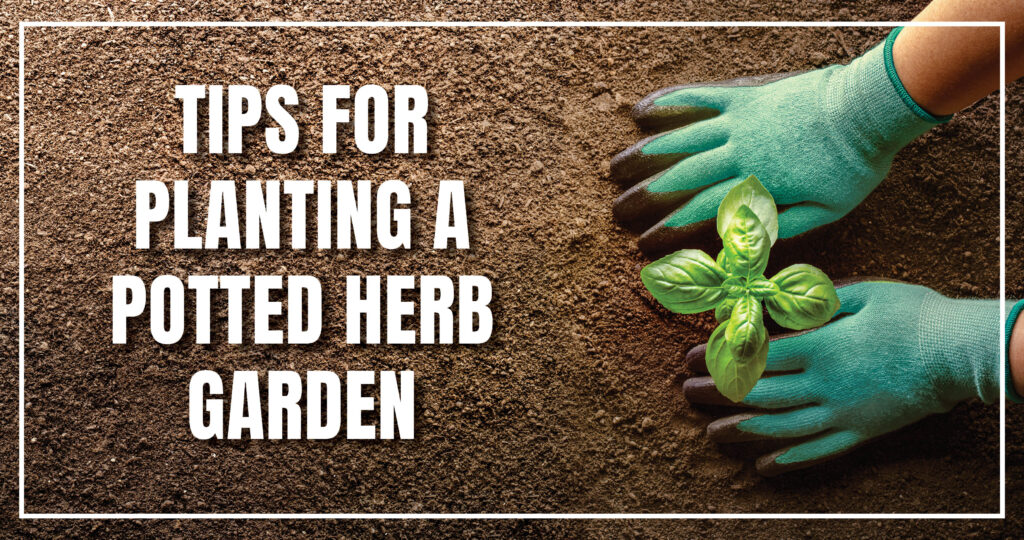
Have you been wanting to get into gardening, but don’t have the yard space? Consider planting a potted herb garden!
Container gardening is easy, convenient, and leaves you with a supply of beautiful fresh herbs. Almost any herb can be grown in a container, so the possibilities are endless!
Here are a few tips and tricks to ensure your potted herb garden is successful:
1. Be mindful of what you plant.
One of the exciting things about a potted herb garden is that you can grow as many different types of herbs as you want in the same container. However, before you start planting, be sure to do some research on the sun, water, and soil requirements of each herb.
For example, rosemary prefers hot and dry conditions, whereas parsley requires consistent moisture. As a result, they would not get along in the same pot.
2. Choose the right container.
As long as it has good drainage, you can use almost anything as an herb container. However, it’s important to be aware that using smaller pots means you need to be extra cautious in how much you water your herbs. Too much or too little water can be especially detrimental to an herb in a small pot.
3. Use high quality soil.
The best way to ensure a healthy start to your container garden is by using high quality soil. Container soil should be lighter in density than traditional garden soil. You can also add organic matter, like perlite or peat moss, to the mixture to improve drainage and moisture retention.
We hope you’re feeling ready to get started on your potted herb garden this season. Remember to have fun and good luck!