



What’s Causing My Elbow and Wrist Pain — And How Can Physical Therapy Help?
Remember the last time you accidentally slammed your funny bone? That sharp, radiating pain is deeply unpleasant — fortunately, it usually only lasts a few moments. But what happens when that pain lingers? If you’re dealing with pain in your elbow, forearm, or wrist, Atlanta Human Performance Center is here to help!
Wrist and elbow pain can have several potential causes. Three major nerves run through the arm and can become entrapped, leading to numbness, tingling, and pain. You can also injure the muscles, tendons, or ligaments in the elbow and wrist joints, which can cause mobility restrictions and pain in the impacted area.
Our team of Doctors of Physical Therapy will help you get to the bottom of your elbow pain — and we’ll help you find a way to resolve that pain for good. Call us to schedule an appointment and get started today!

A Closer Look at the Causes of Wrist and Elbow Pain
When you come in for your appointment, the first thing we’ll do is carefully review your symptoms and run a few simple movement screens to help pinpoint the cause of your pain.
Overuse injuries are one of the more common causes of wrist and elbow pain. You’ve probably heard of conditions such as tennis elbow or golfer’s elbow — both are examples of overuse injuries. They stem from repetitive movements or awkward postures that strain the joint’s soft tissue, leading to a gradual onset of symptoms.
You can also suffer acute injuries, particularly in the wrist. These injuries happen suddenly rather than over time. Wrist sprains, in which the ligaments in the wrist suffer damage, are among the most common. You can also fracture the bones in your wrist and elbow, which will typically require medical intervention.
Nerve disorders are another common source of discomfort in the elbow, forearm, and wrist. They occur when one of the nerves running through the arm becomes entrapped, leading to pain, numbness or tingling, and mobility restrictions. The location of your symptoms can let you know which nerve is affected:
- Carpal tunnel syndrome affects the median nerve and can become trapped in a structure in your wrist (the carpal tunnel). You’ll typically experience symptoms in your wrist and hand.
- Cubital tunnel syndrome affects the ulnar nerve, which passes through a narrow structure in your elbow (the cubital tunnel). If the nerve becomes entrapped in the cubital tunnel, it can cause symptoms in your elbow and hand.
Finally, arthritis can affect your elbows and wrists, leading to pain and restricted range of motion.
What Physical Therapy Can Do to Help Ease Your Wrist and Elbow Pain
Once our therapist has determined the source of your pain, we’ll develop a customized treatment program to help you find relief. The good news is that physical therapy alone can resolve most common sources of wrist and elbow pain. Here are a few of the techniques we might incorporate into your program:
- Manual Therapy: Manual therapy techniques help reduce pain and restore mobility restrictions. We might guide the joint through its current range of motion, manipulate your soft tissue, or try other techniques.
- Therapeutic Exercises: We’ll create a targeted, progressive exercise program to ease your symptoms. We’ll start with gentle stretches and mobility work, then move on to strengthening exercises to help support and stabilize the impacted joint.
- Braces and Splints: Some conditions might benefit from a brace or splint, which temporarily immobilizes the joint as you work on treatment. We’ll let you know if it’s a good choice and help you find the right device to suit your needs.
- Injury Prevention: We’ll let you know what you can do to prevent future injuries. We might show you ergonomic adjustments to reduce the impact of repetitive movements, postural corrections to minimize strain on your wrist or elbow, or other strategies.
Let’s Get to the Root of Your Wrist or Elbow Pain!

Pain in the wrist or elbow can seriously impact your quality of life, making it difficult to perform day-to-day movements like brushing your teeth, typing on a computer, or preparing a meal. The team at Atlanta Human Performance Center will help you get to the bottom of your pain to find lasting relief.
Call us to schedule your initial appointment today!
Your Progress Matters To Us!
Return to Atlanta Human Performance Center and Let’s Continue Your Journey to Wellness Together. Schedule Your Appointment Now!

Mexican Cauliflower Rice Skillet Dinner
Ingredients:
- 1 lb ground beef
- 1/4 medium onion diced
- 1/2 red pepper diced
- 3 tbsp taco seasoning
- 1 cup diced tomatoes
- 12 ounces cauliflower rice
- 1/2 cup chicken broth
- 1 1/2 cups shredded Cheddar cheese or Mexican Blend
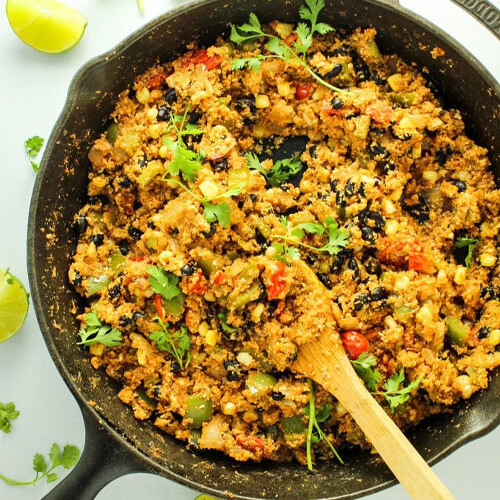
Directions:
In a large skillet over medium heat, brown the ground beef until almost cooked through (just a little pink). Add the onion and pepper and continue to cook until no longer pink. Stir in the taco seasoning. Add the tomatoes and cauliflower rice and stir to combine. Stir in the broth and bring to a simmer. Reduce the heat to medium low and cook until the cauliflower rice begins to soften (8 to 10 minutes for frozen). Sprinkle the skillet with the cheese and cover. Let cook until the cheese is melted, 3 or 4 minutes. Remove from heat and top with your favorite toppings like sour cream, avocado, and chopped cilantro.
August Word Scramble
laatrioenx
kbaracyd
mrmesu
aicgmnp
aryopunldg
fosrnwlue
Answer Key
relaxation
backyard
summer
camping
playground
sunflower
Exercise of the Month
Towel Pull
Sit or stand tall and place a rolled towel behind your head, holding each end with your hands in front of you. Gently pull the towel forward and downward to support your head as you slowly extend your neck backward, looking up toward the ceiling. Use the towel for support—not force. Return to the starting position.
3 Sets, 10 Reps. (Materials needed: towel)
Our Patients Get Great Results
“First time. I was very impressed with the professionalism there.”
– L.W.

8 Nutrition Tips for A Healthy Summer
Summer weekends at the beach, backyard barbecues, and outdoor dinners are finally here, but these gatherings are often loaded with high-calorie pasta salads, chips, ice cream, cocktails and beers. Enjoy your warm-weather favorites while keeping your nutrition in check with the tips below.
1. Drink green tea instead of sweet tea. Green tea has a natural component that helps speed up your metabolism. Skip the box tea and opt for the brew-it-yourself with boiling water and a tea-bag-type tea.
2. Serve seafood. Summer is the ideal time to get the freshest catch from your local grocer. Grill salmon, tuna, lobster, steamer clams, and calamari for a low-calorie, protein-packed lunch or dinner.
3. Don’t skip breakfast. When you wake up in the morning, your body is running on fumes. Eating a breakfast with protein, carbs, and healthy fat kicks your metabolism into high gear and provides energy for the day.
4. Enjoy summer fruits and veggies. It’s easy to sink into a vegetable rut, eating the same boring veggies week after week, but with summer comes fresh choices. Including a mix of in-season colorful veggies in your meals gives your body a nutrient kick.
5. Snack at work. Bring snacks to work and graze throughout the day. When you eat more often—five to six times per day—you’re far less likely to overeat and more likely to stay energized.
6. Hydrate often. The summer heat makes you more susceptible to dehydration. Start off your day by drinking two glasses of water and keep drinking at each meal, as well as before and after your workout, to stay hydrated. Carry a water bottle with you as a reminder to stay hydrated.
7. Recover with a post-workout shake. After exercising, blend your favorite summer fruits and a scoop of whey protein into a shake to kickstart the muscle-building process, help your body recover from training, and boost your energy levels.
8. Pre-plan your meals. You plan your weekend getaways and activities for summer. Why not your meals? Make it easy by preparing all of your food on Sunday so that you have enough meals for the week. The best part: You’ll save money.